Compare
LifeLeaf vs Abbott Lingo
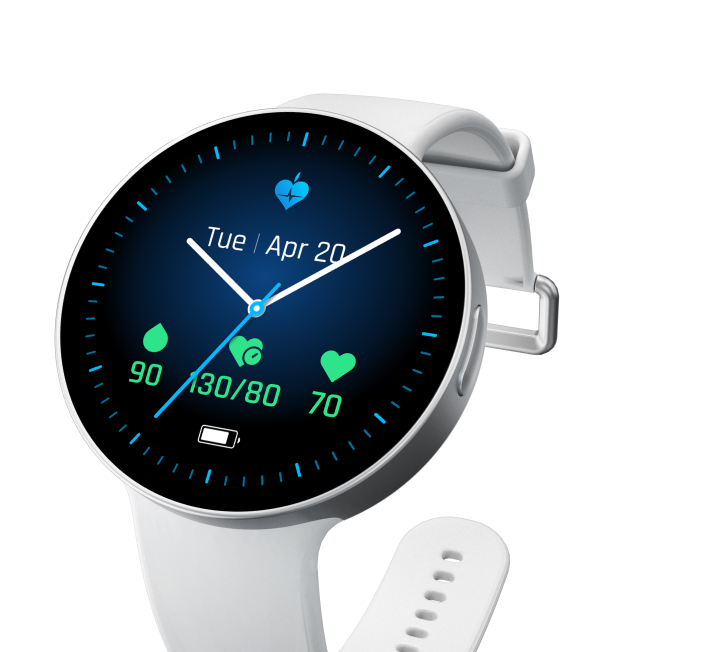
Lingo runs a focused two-week glucose experiment with a cleared sensor — LifeLeaf keeps going after that, with blood pressure alongside blood sugar, from one wrist.
Which one fits
Want to run a focused two-week experiment on what specific foods do to your blood sugar, with a cleared sensor and a coaching program built around it?
That’s Lingo’s focus: a course, built around an arm biosensor.
Want an everyday picture that keeps going after the two weeks are up — blood sugar and blood pressure together, from your wrist, with nothing to reorder?
Lingo has no blood-pressure feature. That’s what LifeLeaf is for.
Side by side
Every row dated.
Blood sugar
Estimated from the wrist — trends, time in range, post-meal response. A wellness trend, not a blood result
A cleared glucose biosensor. Worn on the upper arm, up to 14 days per biosensor
Blood pressure
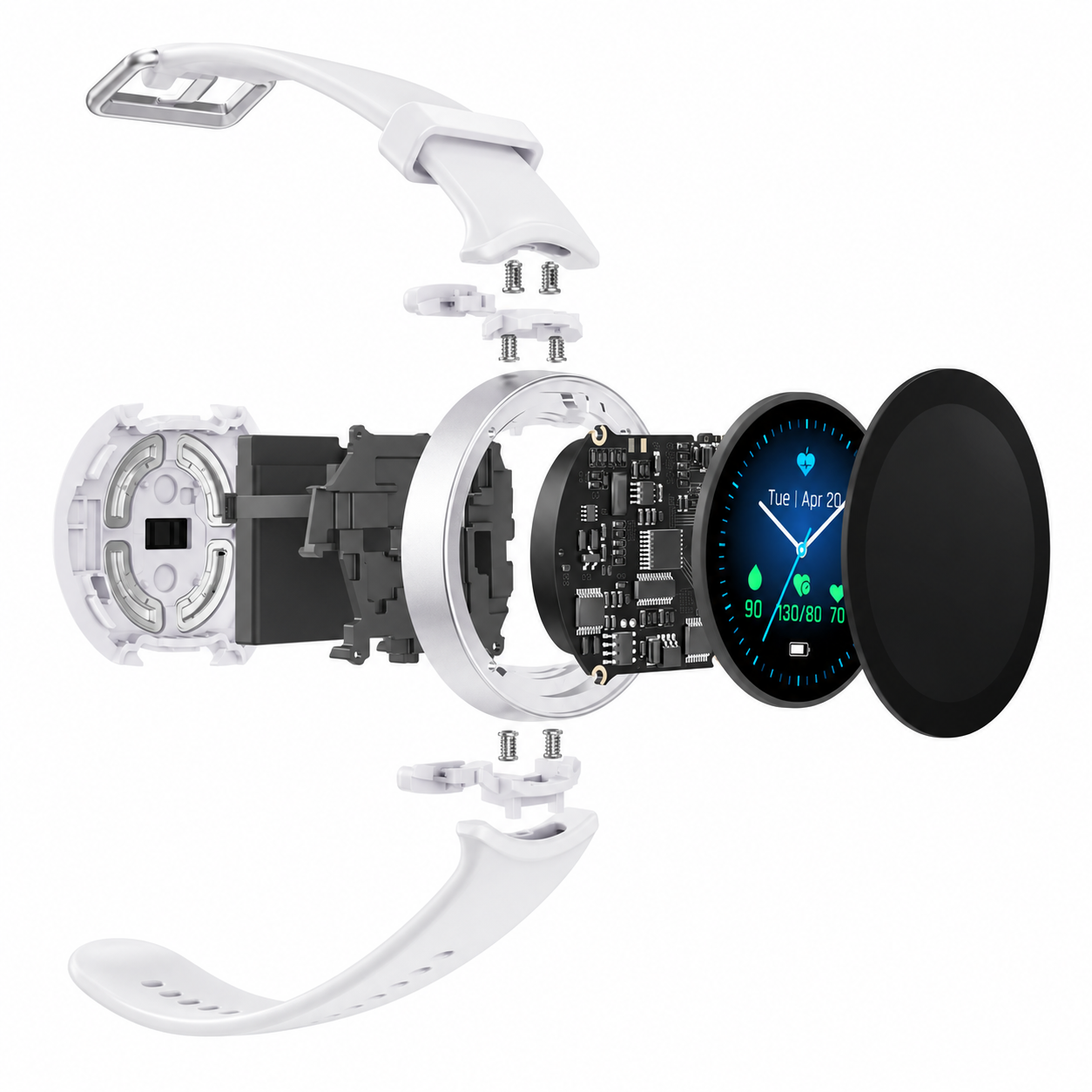
Cuffless, from the wrist, hourly averages across day and night
None
Heart rate, rhythm & HRV
Yes, continuous — not an ECG
None
Breathing · sleep
Yes, on the same clock as the blood sugar
None
Where you wear it
One wrist device
One arm biosensor. A watch or band as well, if you want the other signals
Anything to replace
Nothing
A biosensor every 14 days, for as long as you keep going
How it’s sold
A device plus a subscription
Plans: $54 for two weeks · $89 for four weeks · $249 for twelve weeks, auto-renewing
Device
$349
—
Ongoing
$9.99/month or $99/year
$249 per 12 weeks for continuous cover — about $90 a month
Two-year cost
$547
$2,165
Four-year cost
$745
$4,331
Warranty and returns
One year from delivery, subscribed or not. 30-day money-back guarantee
30-day money-back guarantee
US list prices, checked 9 September 2026. Lingo’s monthly figure is derived, not published: $249 ÷ 84 days × 30.44 days = $90.23. Four-year: $90.23 × 48 = $4,331, glucose only. LifeLeaf four-year: $349 + ($99 × 4) = $745. See the working →
What Lingo focuses on
A short glucose course
A cleared biosensor, sold as a short, focused program that shows you what specific meals do to you, with coaching built around two weeks.
It reads glucose from a filament under the skin of the upper arm, with a new biosensor every 14 days.
Plans start at $54 for two weeks.
What only LifeLeaf adds
What happens after the two weeks
Lingo is designed as a course, so the picture stops when the biosensor does, unless you keep buying them at about $90 a month.
LifeLeaf is built for the long run instead. One device, nothing to reorder, and the picture keeps going in month six and month twenty-four the same as it did in week one. That matters because the things worth noticing — whether your evenings are settling, whether a habit held, whether the direction is right — are patterns that only appear over months.
And it is not blood sugar alone. Blood pressure, heart rhythm (HRV), breathing and sleep are read on the same clock, from the same wrist. Lingo reads glucose; the rest of the picture would be another device and another app.
FAQ
Before you compare.
How is LifeLeaf different from Lingo?
Lingo is a cleared glucose biosensor that measures glucose under the skin of your arm. LifeLeaf shows your blood sugar trend from your wrist, with no needle, alongside blood pressure, heart rhythm and sleep — a wellness trend for spotting patterns in your own body over months.
Should I do a Lingo program first, then get LifeLeaf?
That is a reasonable order and plenty of people do it. Two weeks with a cleared sensor teaches you what your own responses look like; LifeLeaf is what keeps watching afterwards, and adds the blood pressure and the sleep that Lingo doesn’t read. They answer different questions and neither makes the other pointless.
Does Lingo measure blood pressure?
No. Lingo is a glucose biosensor and has no blood-pressure feature. LifeLeaf estimates cuffless blood-pressure trends from the wrist, day and night, alongside the blood sugar trend.
The question people ask
“How does this compare with a CGM?”
What a cleared device is for
Dosing insulin. Diagnosing high blood pressure. Adjusting medication. Those decisions turn on a single number being exactly right, and they need a cleared device. LifeLeaf is not one, does not claim to be, and should not be used for any of them.
What this actually needs
Direction, timing and repeatability — did this breakfast move me more than that one, did the walk flatten the curve, did last night’s dinner cost me the night. Those are comparisons of you against yourself, on the same sensor.
Why that is more useful
A sensor with no needle and no cuff is one you actually wear — all day, every day, with nothing to replace and no expiry. Continuous coverage of two signals beats a number on one signal you stop collecting. And no ring or band reads either signal at all.
Confident readings only
It only shows a reading when it’s confident. No guesses.
“We are not trying to replace a CGM or a cuff — we are trying to answer a question neither of them answers, which is what your own choices are doing to you, continuously, without a needle.”
How do I get it
Join the waitlist.
We’ll email you launch updates and the moment Kickstarter opens in early November. Deep‑discount packages are limited and go first-come, first-served.
Free to join — or reserve now for $2 to lock founder pricing.
Competitor features and prices per official published materials, verified 9 September 2026.